“With all due deference to separation of powers, last week the Supreme Court reversed a century of law that I believe will open the floodgates for special interests.“ – President Obama in the 2010 State of the Union Address
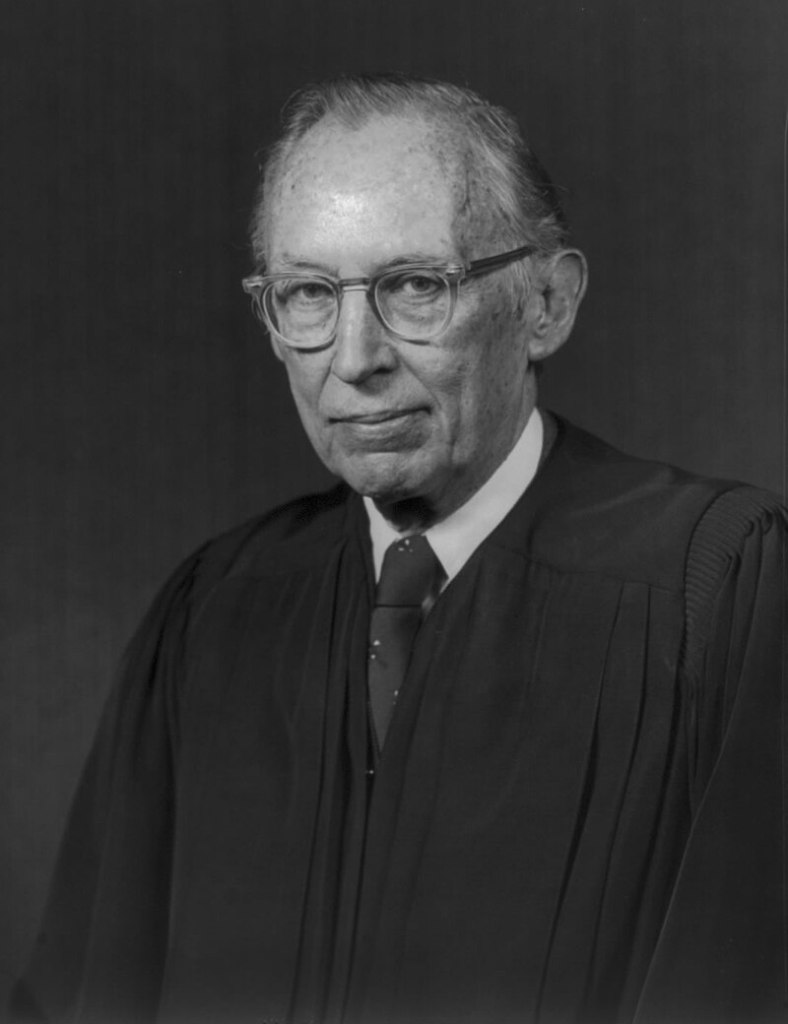
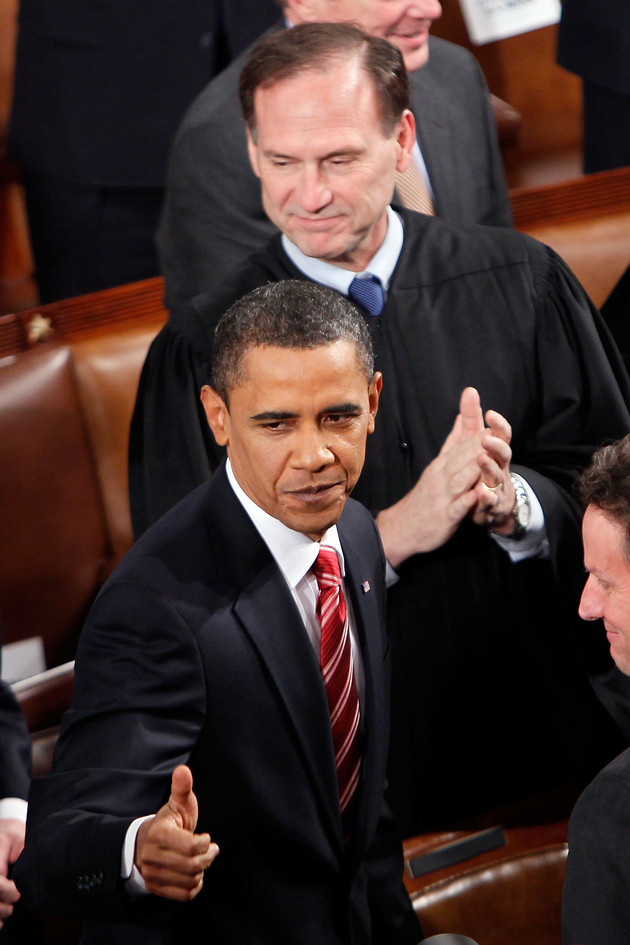
The rise of Trump, and the debacle of 2024, were the culmination of a slowly creeping march towards kleptocracy that has enveloped national politics and fanned the flames of resentment, despondency, and rage. Trump hasn’t ended democracy — he’s exploited a politics that’s already rotten to the core.
But too often activists and political observers avoid the most profound, root causes of our dysfunctional politics and fixate on peripheral issues. They obsess over longstanding rules of the game (e.g., the Electoral College), or they decry half of America as racist or sexist. Although these roadblocks may lessen liberal electoral chances, the data overwhelmingly show they were not the decisive factors in 2024.
Plenty of left-of-center Presidents have won elections under the Electoral College. And, while America has long struggled with the demons of prejudice and patriarchy, there’s no way voters are more bigoted now than they were 30 or 60 years ago. These excuses can’t possibly explain the sudden erosion of democracy and unraveling of left-wing politics in the twenty-first century.
So what has changed since the days of LBJ and Tipp O’Neal? Here’s a rundown of legal and social trends that have converged to bury left-wing politics.
1) Corruption in DC: The end of the American Republic.
In the 1970s, the Supreme Court decided that corporations are people. They were allowed to donate to political causes and bribe politicians with impunity, even tacitly promising jobs at lobbying and PR firms (DC insiders use lot’s of euphemisms for this revolving door). The decision of Citizens United then drove the nail-in-the-coffin of American democracy, allowing billionaires and corporations to donate unlimited money to political activities, often secretly and imperviously.
This not only subverted democracy, it crushed any sort of authentic left-wing. Democrats couldn’t compete without pandering to the rich and famous. And, since corporations and the wealthy started paying the bills for Democratic insiders, many liberal leaders moved toward corruption and away from helping the working poor. They shifted to a politics of symbolism and performance, renaming streets after trending Twitter hashtags. This is why, after Obama swept into power, the sick were left without good healthcare, workers without stable jobs, homeless without housing, immigrants without human rights, and students without free college.
And it goes without saying, this system provided a springboard for a want-to-be-kleptocrat like Trump to run for office, and win. So voters — particularly those of the working-class — were forced to choose between a discredited Democratic Party, with decades of disappointments and empty promises, and a Republican Party that embraced authoritarian rule and xenophobia
2) Declines in unions and worker solidarity.
The decline of private sector unions compounded the problem of money in politics, especially over the last quarter century. No longer could unions rely on mandatory dues, member loyalty, and meaningful political clout. This accelerated the drift of Democrats toward embracing top-down capitalism, as well as the defection of rustbelt voters into the arms of Republicans.
Liberals bought Teslas, and then smashed them when they were no longer in style, but they rarely thought to support the factory workers who made the cars hum. Working-class people were seldom at the table to advocate for an agenda of economic justice that would have resonated with a broad cross-section of America. Without a strong voice within the Democratic coalition, many union and blue-collar voters found a home with Trump and his culturally-driven conservative movement.

3) The rise of fashionable militancy and creep of liberal paternalism.
Universities are supposed to be about the free exchange of ideas, and yet, they have made liberals increasingly out of touch with the concerns of most Americans. In the era of Nixon and Reagan, liberals retreated into the comfort of colleges and universities, and developed an ideology centered around identity politics and sporadic activism.
The smaller the issue, and the more narrow the interest group, the greater the self-righteous anger and passion. Gone were the days of advancing civil rights and ending the Vietnam War. Students now boycotted Coca Cola, banished nuclear weapons (but only within municipal limits), and built a new, esoteric language of social hierarchy and individual guilt. They shifted from an ideology of social justice and collective action (think raising taxes and desegregating schools) to one of fashionable militancy and philanthropy, with a paternalistic flair.
Liberals started to believe that they knew better than anyone else, including the communities of color and minorities they were purportedly helping. They ignored cries for more housing, stable employment, and public investment. They helicoptered into high-poverty neighborhoods from universities like Princeton and took over public services, even sending wide-eyed college grads to classrooms to replace “underperforming” teachers and teach “disadvantaged” students. They spoke of rural people clinging to their guns and religion, when both these trends are statistically specious.
What was insufferable about this ideological turn was that the people who propagated it were often blind to their own privilege, as economic and social elites. They dismissed inconvenient facts and evidence, and shouted down and condescended anyone in disagreement. This widened the rift between the college-educated and everyone else. Blue collar white men peeled away from Democrats first, then less-than-college-educated white women, and last election, many Latinos, Asians, and immigrants.
4) Demographic destiny no more: politics becomes less racialized.
In 2024, Trump made serious inroads with non-white voters, particularly pockets of Latino and immigrant communities. An optimist may say some of this shift may be the result of racial progress and harmony. A pessimist may ascribe this to the historical shapeshifting of whiteness, in which white people assimilate more amicable, lighter-skinned people of color into a culture of white supremacy.
My view falls somewhere in the middle. Race still mattered in 2024, but not quite as much as it used to. For people who did not bear the greatest brunt of anti-Black/Indigenous racism, economic and cultural considerations increasingly predominated. Maybe they wanted safer streets or friendlier rules for business. Maybe they wanted a return to traditional cultural values, or maybe they didn’t want to be called Latinx. Or they believe in the myth of the American Exceptionalism, that we are the “good guys” most of the time. Whatever the case, Democrats could no longer take for granted the support of people from non-European descent.
5) The revolution will not be on social media.
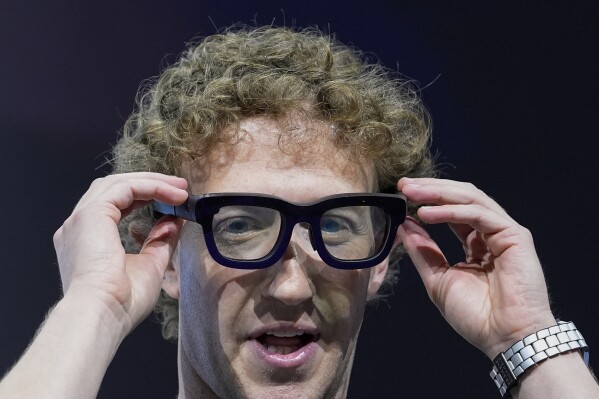
The most popular apps are addictive, abusive, psychologically damaging, and corrosive to social cohesion. We know that the mental health of young people rapidly declined after the rise of smartphones and social medial apps in the 2010s. Boys were socially stimied and isolated; and girls were body-shamed and bullied. Suicides, eating disorders, depression, and anxiety skyrocketed.
But just as disturbing, social media degraded our politics into an abyss of hashtag slogans, snarky memes, and echo-chamber likes and denunciations. It amplified non-human bots and dishonest actors who ripped apart our country. It fed rumors and misinformation — rewarding people who provoked and inflamed the emotions of followers. It reduced politics into a reality TV show, with pointless gossip and controversies.
And social media lured disaffected people (especially men) into dark corners of the internet that bred toxicity, conspiracy, and violence. The kinds of spaces that propelled Trump into a second term. Social media likewise sucked in liberals (particularly women) into virtual cadres, in which influencers competed with each other in catastrophizing every progressive setback and controversy. Liberals become more fragmented, close-minded, and avoidant of opposing views. Liberal leaders fundraised off of maximizing outrage and anger. But they ostracized outsiders, digging the hole deeper for Democrats.
6) How to lose the culture war.
Democrats have increasingly messaged on cultural issues because these are the issues that raise lots of money on the internet, without offending the interests of corporations. To be sure, some progressives are genuinely passionate about these topics. But save for a few issues like abortion, these causes do not have the support of most voters. An overwhelming majority of 2024 voters believed only two genders exist, and that border security was a matter of public-safety, not human rights. Most were unmoved by controversies about gay wedding cakes and transgender people in sports.
At their peril, liberals dismissed and alienated people with backgrounds outside of their favorite identity group. They antagonized a coalition of the dissatisfied, those who were losers under the cultural status quo, and who saw their own experiences ignored and neglected. Men, who account for almost 3 in 4 suicides and deaths of despair, led this revolt against wokeism. They were joined by working people, who increasingly couldn’t afford to raise kids or marry anyone of any gender. Last, the dissatisfied included town folk, who saw trade and immigration as threats to their livelihood.
Liberals made matters worse, in denying these struggles and dismissing dissatisfied Americans as losers, supremacists, and misogynists. Guarding the recent social gains of (mostly college-educated) women and queer people was admirable, but liberals came off as condescending and hypocritical when they condemned others who were hurting within modern society.
7) The Democratic brand took a beating during the pandemic.
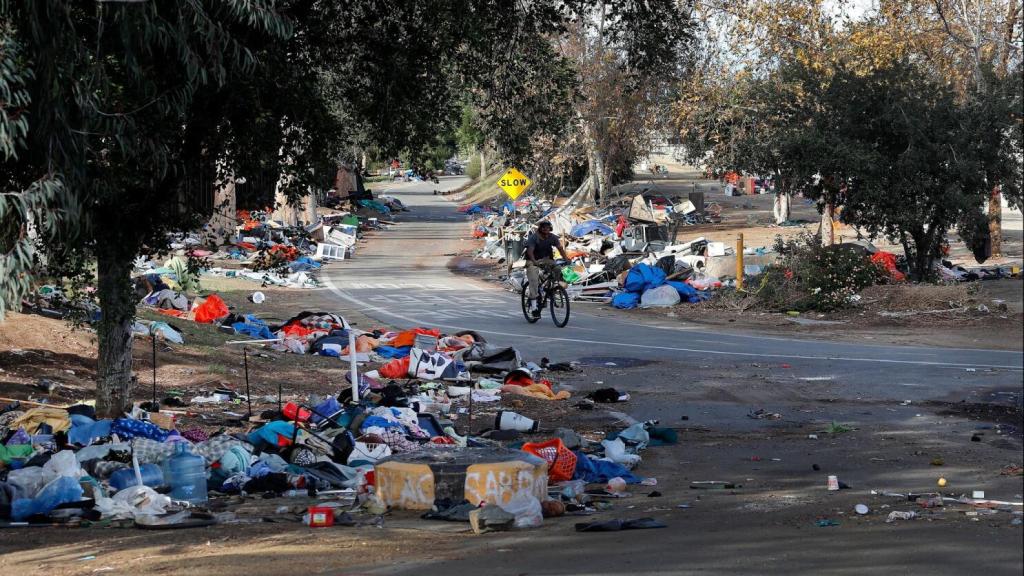
Turning to more recent events, you can’t overstate how badly the Democratic and liberal brands went into the tank in 2024 (and remain there today). During Covid, liberals earned a reputation for policing whether people stayed physically isolated and businesses closed, even when medical evidence was mixed. Fueling a backlash against this moralistic cudgeling, some liberal politicians were seen breaking their own rules and partying at five-star restaurants.
Americans seethed, as neighborhoods suffered an uptick in violence, petty theft, and blight, after the George Floyd murder and ensuing unrest. Liberal activists demanded fewer police, just as most people wanted more police and tougher public-safety measures. They offered few solutions to the rise of homelessness and emergence of shantytowns around overpasses and parks.
On top of all this, states like California and New York had so much dysfunction under Democratic rule that people started fleeing these liberal bastions by the millions. Voters started to look at these states as examples of liberal government gone awry, and what not to do. Democratic votes plummeted in the bluest cities, sealing victory for Trump.
8) It’s the economy stupid (2.0)
Put simply, the economy was better under the first term of Trump. During the first three and a half years of his presidency, Trump presided over one the most prosperous times in American history. Only during the last six months of Trump’s administration did the pandemic strike and the economy start to falter. Obama probably deserved more credit for the strength of the late 2010s economy, but in voters’ minds, Trump managed a great economy.
Biden unfortunately presided over the an economy hungover from Covid disruptions and illiberal trade policies. Growth slowed and Americans saw prices increase at rates not seen in generations. Voters didn’t feel financially secure and they looked back on the Trump years (before Covid) with nostalgia.
9) The Biden Administration screwed up too much.
I mostly think Biden was dealt a bad hand on the economy and the pandemic. But voters expected Biden would deliver competency and sound management, and instead witnessed a steady stream of shambolic crises.
First it was pictures of local allies desperately trying to escape Kabul during the Taliban takeover. Then it was seesawing messages on Covid vaccination and protocol, culminating in the Omicron wave — a full year after Biden took office. Next Americans saw Biden’s team had no realistic plan to handle the massive rush of migrants at the southern border. Finally, there was a bungling of the FASFA financial aid application rollout, in which government computer glitches derailed the college dreams of tens of thousands of applicants.


10) Israel-Palestine and how progressive activists got a taste of cancel culture.
In addition to everything else, the Democrats were mistaken in refusing Palestinian activists speaking time at the Democratic Convention. While you can silence people within the strictures of a convention, you can’t dictate how people vote at the ballot box. And many these malcontents did indeed decide to vote down the Democrats, especially in the critical battleground of Michigan (and I suspect New Jersey too).
Dissent against the war in Gaza, and Biden’s complicity, was loud across universities and liberal strongholds. But, almost always, anyone with real power met this movement with either derision or vague promises. Much dissent was treated as outside the norms of decency and polite conversation, and thus was born alienation and apathy in the heart of progressive America. Many activists and Arab-Americans were cancelled, and so they turned on the Democrats — just like many of their less liberal peers. If nothing else, a backlash against liberal condescension was the undoing of Democrats in 2024.
Up next
I’ve written extensively on the headwinds blowing against Democratic and liberal politics. I’ll close with some advice for liberals on where we should we go from here. It’s hard to imagine a quick and sustained resurrection of a credible left-wing in America. Yet, I still see a few rays of hope on the horizon.
Dissecting Democratic Defeat Blog Series
Part I: 25 Years Mired in Stalemate
Part II: A Full-Blown Trouncing
Part IV: Where Do We Go from Here?
 My Millennium Commentary
3 responses to “Dissecting Democratic Defeat Part III: Where Did We Go Wrong?”
[…] Part III: Where Did We Go Wrong […]
LikeLike
[…] Part II: Where Did We Go Wrong? […]
LikeLike
[…] democracy. Since the ruling of Citizens United, American politics has devolved into corruption and kleptocracy. Liberals themselves have a watered-down economic agenda, in avoiding positions that offend […]
LikeLike